Why High Quality Issues in Storage Tank Manufacturing: A Comprehensive Guide
In the domain name of storage tank manufacturing, top quality is not simply a feature yet a basic need that underpins safety, effectiveness, and governing compliance. The rigorous adherence to developed standards such as those set by API and ASME plays a critical role in safeguarding against environmental dangers and operational failures. The ramifications of high quality expand beyond plain compliance; they encompass cost-effectiveness and long-lasting performance. As we explore the diverse dimensions of high quality in this market, one should consider how these elements collectively affect both the track record and success of makers. What essential aspects should be focused on to guarantee perfect end results?
Relevance of Top Quality Guarantee
Quality control plays a critical duty in the manufacturing of storage tank, as it straight affects security, performance, and durability. By carrying out extensive quality control procedures, suppliers can assure that each storage tank meets the required specifications and criteria required for its desired use. This dedication to top quality safeguards against prospective failings, which might lead to hazardous leaks or tragic failings, thereby securing both human life and the setting.
Along with security, top quality assurance boosts the overall efficiency of storage tank. Storage tanks built with premium materials and precise craftsmanship are much better outfitted to hold up against differing ecological conditions, such as temperature variations and direct exposure to harsh compounds. This resilience not just expands the lifespan of the containers but also minimizes maintenance expenses in time.
A strong top quality guarantee program promotes trust and integrity amongst stakeholders, consisting of customers, governing bodies, and the area at big. When suppliers prioritize quality, they show their dedication to quality, placing themselves as leaders in the market. Inevitably, the relevance of quality control in storage tank manufacturing can not be overstated, as it lays the foundation for safe, reliable, and sturdy storage space options.
Secret Manufacturing Criteria
In the domain name of storage tank manufacturing, adherence to vital manufacturing requirements is extremely important for guaranteeing security and integrity. An introduction of market guidelines provides a structure within which top quality assurance processes can be efficiently executed. Recognizing these standards is vital for producers to keep conformity and attain excellence in their products.
Sector Regulations Review
Guaranteeing conformity with sector regulations is essential for the manufacturing of storage tank, as these standards determine the safety and security, sturdiness, and ecological effect of the products. Various organizations develop these regulations, consisting of the American Oil Institute (API), American Culture of Mechanical Designers (ASME), and Environmental Protection Company (EPA) These entities lay out considerable specs and guidelines that makers must adhere to in order to guarantee the structural stability and operational performance of storage tank.
Secret policies include API 650 for welded tanks and ASME Area VIII for stress vessels, which information layout, product selection, and testing methods. In addition, the EPA sets forth regulations worrying the monitoring of harmful products and emissions, assuring that storage tank do not add to environmental deterioration.
Conformity with these requirements not just reduces risks related to failings and leaks but additionally improves the general track record of makers within the sector. Normal audits and examinations are usually required to validate adherence to these laws, highlighting the significance of keeping rigid high quality control throughout the manufacturing procedure. Eventually, understanding and implementing these regulations is essential for any kind of organization intending to produce trustworthy and safe storage options.
Quality Guarantee Processes
A robust top quality assurance procedure is important in the manufacturing of storage tank, working as a framework to promote sector standards and specs. This procedure encompasses a number of vital phases, consisting of material option, design validation, manufacturing treatments, and last evaluations. Each phase is regulated by established requirements, such as the American Society of Mechanical Designers (ASME) and the American Oil Institute (API), which determine the minimal needs for top quality and security.
Throughout product option, only certified and evaluated materials ought to be utilized, guaranteeing architectural honesty and resistance to deterioration. Style validation involves complete engineering analyses to confirm that the tank can hold up against functional problems, including pressure and temperature level variations.
Manufacturing treatments must be meticulously documented and complied with to guarantee constant high quality. This includes welding strategies, joint evaluations, and non-destructive testing (NDT) techniques to determine any potential problems early while doing so. Texas Oil & Gas Storage Tank Fabrication Authority. Finally, extensive evaluations and testing of the completed item are vital to validate conformity with regulatory requirements
Carrying out an extensive quality control process not just improves product reliability but likewise safeguards against prospective failings, eventually safeguarding both the setting and public safety and security.
Sorts Of Storage Tanks
In the domain name of storage tank manufacturing, comprehending the different sorts of containers is crucial for meeting certain market requirements. This discussion will certainly cover a review of storage tank materials, typical style variations, and specialized applications customized to varied operational demands. By checking out these elements, suppliers can guarantee peak efficiency and conformity with top quality standards.
Tank Materials Summary
Storage space tanks are vital frameworks for the risk-free control of numerous fluids and gases, and their products significantly influence both performance and longevity. The option of product influences not just the architectural stability but additionally the compatibility with the saved components, resistance to environmental elements, and general maintenance needs.
Common materials for storage tank consist of carbon steel, stainless-steel, fiberglass-reinforced plastic, and concrete. Carbon steel is commonly used because of its strength and cost-effectiveness, making it appropriate for a variety of applications, although it may need safety layers to avoid corrosion. Stainless-steel provides boosted deterioration resistance and is suitable for saving aggressive chemicals or food.
Fiberglass-reinforced plastic is lightweight, corrosion-resistant, and ideal for below ground installments, however it may not withstand heats as efficiently as metal tanks. Concrete containers are long lasting and usually utilized for large-scale storage, particularly for water, however they can be prone to breaking and call for careful layout to reduce leakage.
Picking the appropriate product is important to making certain security, conformity with laws, and minimizing lasting operational prices in storage tank manufacturing. - Storage Tank Manufacturing
Common Style Variants
Understanding the different layout variants of storage tank is necessary for enhancing capability and performance in their intended applications. Tank can be classified into several kinds based on their style, materials, and intended use.
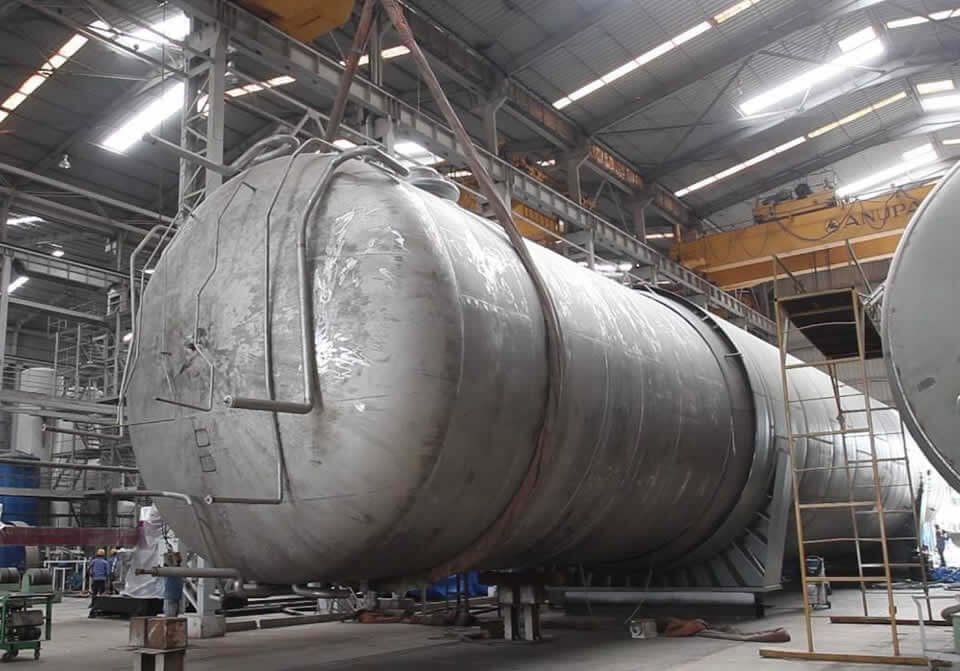
One common type is the upright storage tank, which takes full advantage of the surface for fluid storage while decreasing the footprint. These storage tanks are often utilized for water, chemicals, and gas (Texas Oil & Gas Storage Tank Fabrication Authority). Conversely, horizontal storage tank are designed for bigger volume capacities and are often utilized in commercial applications where area is restricted
Additionally, double-walled tanks provide an extra layer of safety and security by decreasing the threat of leakages, making them suitable for hazardous materials. Specialized layouts such as rectangular or cylindrical storage tanks are tailored to certain needs, influencing aspects like stress resistance and simplicity of accessibility for upkeep.
-1.jpeg?width=2000&height=1179&name=storage%20tanks%204(2)-1.jpeg)
Specialized Tank Applications
Different storage tank styles accommodate particular needs and applications, highlighting the significance of tailored services in the industry. Specialized container applications are important in fields such as oil and gas, chemicals, water therapy, and food storage, where unique demands dictate layout attributes and products.
Double-walled tanks are important for harmful products, providing an extra layer of security against leakages and ecological contamination. On the other hand, protected containers are developed for temperature-sensitive items, making sure that materials continue to be stable throughout storage space. Underground storage tanks (USTs) are usually made use of for petroleum products, requiring stringent governing compliance and corrosion-resistant materials.
Furthermore, upright tanks are commonly utilized in space-constrained atmospheres, while straight tanks help with much easier transport and installment. Containers designed for specific chemicals may utilize specific finishes to stop corrosion and degradation, guaranteeing longevity and reliability.
The selection of the suitable storage tank type is crucial for operational effectiveness and safety. Comprehending these specialized applications aids producers and users in making informed choices, inevitably leading to boosted efficiency and compliance in various industries. Customized remedies not just address distinct challenges but additionally boost general job outcomes.
Effect on Safety And Security and Conformity
The stability of storage tank manufacturing straight influences safety and security and conformity requirements throughout sectors. High-grade manufacturing procedures guarantee that tanks are constructed to stand up to the physical and chemical anxieties imposed by their materials, consequently avoiding leakages, spills, and potential ecological contamination. Texas Oil & Gas Storage Tank Fabrication Authority. Conformity with regulative structures, such as the Epa (EPA) and Occupational Safety And Security and Health And Wellness Administration (OSHA) requirements, is critical. Non-compliance can bring about serious fines and legal effects, making high quality a non-negotiable facet of storage tank production
Additionally, the option of materials and producing techniques plays an essential function in enhancing the resilience and safety and security of storage tank. Storage tanks that satisfy or go beyond market requirements are much less likely to experience structural failures, which can position considerable dangers to workers and surrounding neighborhoods. Additionally, regular evaluations and adherence to best practices in quality control are vital for preserving compliance over the storage tank's operational lifespan.
Price Implications of Quality
Buying top quality throughout the manufacturing of storage tank can considerably impact overall costs, both favorably and adversely. Top notch materials and competent craftsmanship typically cause greater initial expenses. Nonetheless, these investments frequently lead to substantial expense savings in the future. Storage tanks made to rigid quality criteria are less most likely to suffer from rust, leakages, or structural failings, thereby minimizing maintenance and replacement prices.
Conversely, going with lower-quality materials might show up cost-effective initially, however can bring about costly repairs, regulative penalties, and prospective functional disruptions. Companies might additionally face boosted liability expenses linked with crashes resulting from below average containers, which can drastically impact their monetary standing and online reputation.
Furthermore, high-grade storage tank can boost operational effectiveness, making the most of storage space capacity and minimizing downtime. This performance translates into better source monitoring and total profitability.
Long-Term Performance Benefits
Resilience serves as a foundation in the long-lasting performance of storage tank, substantially affecting their functional dependability and life expectancy. Premium manufacturing assurances that storage tanks are constructed from robust products, with the ability of withstanding numerous ecological anxieties, including temperature changes, corrosion, and physical impacts. This strength substantially minimizes the possibility of leaks and structural failures, which can lead to pricey downtime and ecological risks.
High quality manufacturing procedures integrate complete testing and examination procedures, guaranteeing that every container satisfies stringent sector requirements. This attention to information not just improves the tank's honesty however also fosters confidence among drivers concerning its performance with time. A well-manufactured container requires less constant maintenance and repair, equating right into lower functional prices and enhanced productivity.
In addition, the longevity of storage tank lowers the need for early substitutes, thus maximizing lifecycle costs. Purchasing top quality storage tank, subsequently, is not just an issue of immediate cost yet a critical decision that pays returns in operational performance and security. Inevitably, the long-term performance benefits of high quality manufacturing expand past the product, enhancing organizational track record and conformity with regulatory requirements.
Examining Manufacturers and Suppliers
Reviewing manufacturers of storage tank is a crucial action in ensuring quality and reliability. The choice procedure need to begin with a detailed evaluation of their market experience and online reputation. Developed manufacturers with a tested record often tend to comply with rigorous top quality standards and have a history of effective tasks.
Next off, it is vital to check out certifications and compliance with relevant market regulations, such as API, ASME, or ISO requirements. These accreditations not just symbolize adherence to quality but additionally mirror a commitment to security and ecological factors to consider. Furthermore, it is helpful to examine consumer testimonies and case researches to determine fulfillment levels and the total efficiency of the storage tanks provided.

Think about the array of products and technologies made use of by the producer. Premium products and innovative options can significantly influence the durability and performance of storage tank (Oil & Gas Storage Tank Fabrication). Ultimately, assess the degree of customer support and after-sales solution offered. Receptive communication and technical aid can enhance the long-lasting partnership between you and the provider, making sure that any problems are promptly resolved. This thorough examination procedure will assist protect a collaboration that prioritizes quality and integrity in storage tank manufacturing
Frequently Asked Concerns
What Materials Are Frequently Made Use Of in Storage Tank Manufacturing?
Common products used in storage tank manufacturing include carbon steel, stainless steel, fiberglass, and polyethylene. Each material uses distinctive benefits pertaining to resilience, rust resistance, and viability for certain applications, boosting total container efficiency and long life.
How Do Ecological Variables Affect Storage Tank Quality?
Environmental variables, such as temperature fluctuations, moisture, and direct exposure to harsh materials, greatly affect storage tank top quality. These problems can bring about product destruction, architectural weak points, and eventually jeopardize the tank's integrity and functional effectiveness.
What Accreditations Should I Try To Find in Storage Tank Manufacturers?
When selecting storage tank manufacturers, focus on accreditations such as ISO 9001 for high quality management, API standards for sector conformity, and UL listings for safety guarantee. These qualifications suggest adherence to rigorous manufacturing and safety and security procedures.
Exactly How Typically Should Storage Tanks Be Examined for Quality?
Storage space storage tanks ought to be inspected at the very least every year to guarantee conformity with security standards and functional stability. Frequency may boost based on usage, environmental problems, and governing requirements, demanding a tailored examination routine for peak efficiency.
What Are Common Quality Control Tests for Storage Tanks?
Common quality assurance tests for storage tank consist of aesthetic examinations, non-destructive screening (such as radiographic and ultrasonic), stress screening, and product make-up evaluation, making sure architectural stability, leak prevention, and compliance with sector criteria for safety and security.
In the domain name of storage tank manufacturing, understanding the numerous kinds of containers is crucial for conference certain market demands. One common kind is the upright storage tank, which optimizes the surface area for liquid storage space while decreasing the impact. Furthermore, upright storage tanks are typically employed in space-constrained environments, while straight containers assist in simpler transport and installment. Spending in high quality during the manufacturing of storage containers can substantially influence general costs, both favorably and negatively. Top notch storage space containers can boost operational effectiveness, making the most of storage space capability and minimizing downtime.